
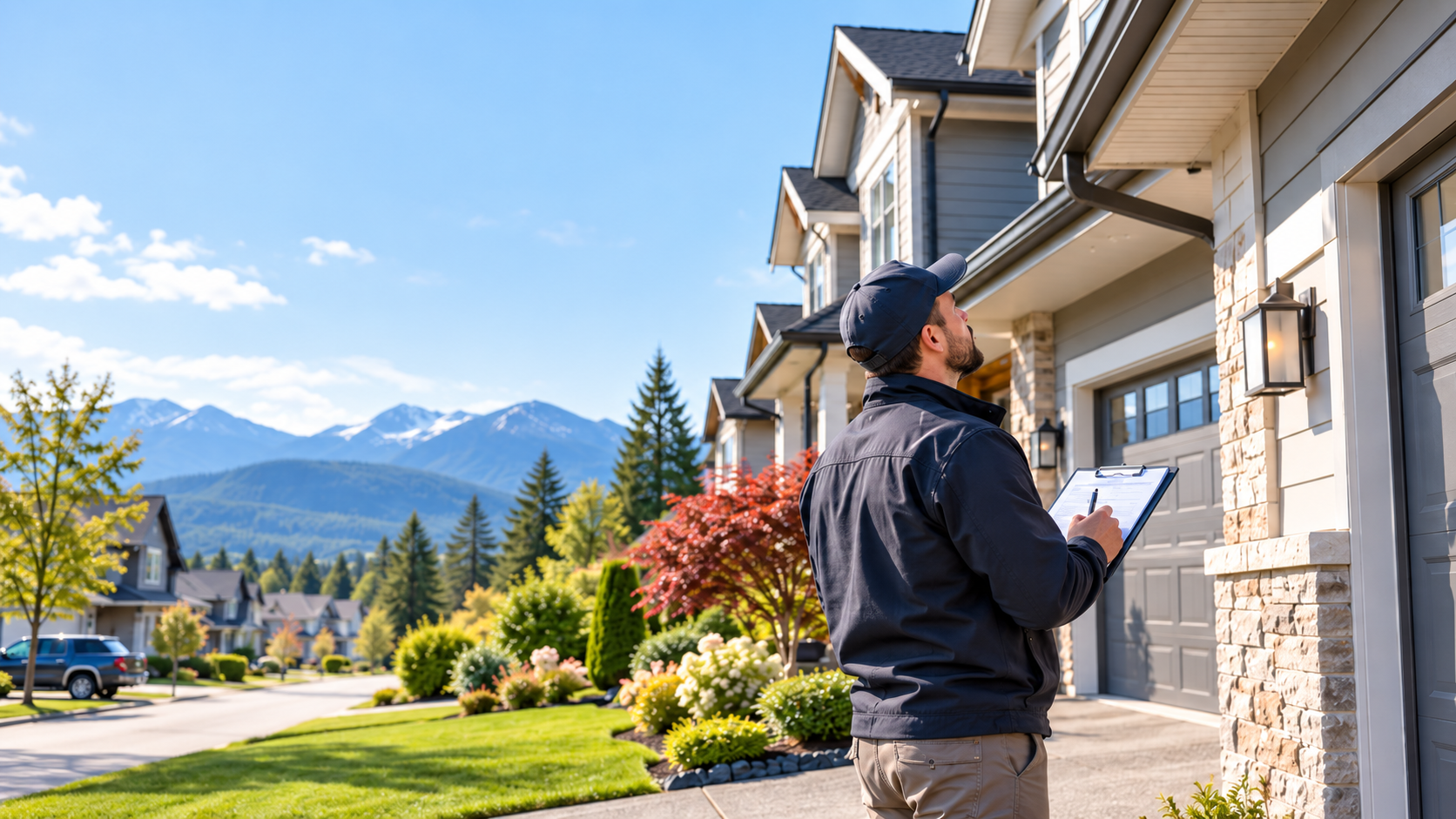
A home inspection is one of the most important steps in the buying process.
It is not just about finding problems.
It is about understanding what you are buying before you fully commit.
Whether you are purchasing in Abbotsford, Surrey, Langley, Mission, Chilliwack, or anywhere in the Fraser Valley, a home inspection can help you identify repairs, safety concerns, maintenance issues, and potential future costs.
As Gurveer Singh, Realtor® with Real Broker, I always remind buyers:
The goal of a home inspection is not to find a perfect home. The goal is to make an informed decision.
Every home has issues. The question is whether those issues are normal, manageable, expensive, urgent, or deal-breaking.
Here is what buyers should look for during a home inspection in 2026.
Why Home Inspections Matter
A home may look clean, renovated, and move-in ready during a showing.
But a showing is not the same as a full inspection.
A home inspection can help uncover issues with:
- Roof condition
- Plumbing
- Electrical systems
- Heating and cooling
- Foundation
- Drainage
- Attic ventilation
- Insulation
- Moisture concerns
- Appliances
- Exterior maintenance
- Safety items
Some issues are minor.
Others can affect financing, insurance, negotiation, or whether the purchase still makes sense.
1. Roof Condition
The roof is one of the most important parts of the home.
During inspection, buyers should ask:
- How old is the roof?
- What type of roof is it?
- Are there missing or damaged shingles?
- Are there signs of leaks?
- Are gutters and downspouts working properly?
- Is there moss growth or poor drainage?
A roof near the end of its life can be a major upcoming cost.
Even if the roof is not leaking today, buyers should understand whether replacement may be needed soon.
2. Attic and Ventilation
The attic can reveal a lot about the home.
A good inspector may check for:
- Moisture staining
- Mold concerns
- Poor ventilation
- Insufficient insulation
- Signs of pests
- Bathroom fans venting improperly
- Roof leaks
- Structural concerns
Poor attic ventilation can lead to moisture issues, mold, and premature roof deterioration.
This is especially important in BC’s wet climate.
3. Foundation and Structure
Structural issues can be serious.
During inspection, buyers should look for:
- Foundation cracks
- Uneven floors
- Doors or windows that do not close properly
- Water intrusion
- Settlement concerns
- Retaining wall issues
- Cracks in interior walls
- Sloping floors
Not every crack is a major problem.
But structural concerns should be reviewed carefully, and in some cases, buyers may need further evaluation from a specialist.
4. Drainage and Water Management
Water is one of the biggest risks in BC homes.
Poor drainage can lead to basement leaks, foundation issues, mold, and expensive repairs.
Important items include:
- Grading around the home
- Downspout discharge
- Perimeter drainage condition
- Sump pump, if applicable
- Basement moisture
- Crawlspace moisture
- Water stains
- Landscaping slope
- Driveway and patio drainage
A home can be beautifully renovated inside but still have major drainage problems outside.
Buyers should never ignore water-related concerns.
5. Plumbing System
Plumbing issues can range from minor leaks to major repairs.
An inspection may review:
- Water pressure
- Visible leaks
- Pipe material
- Drainage speed
- Hot water tank age
- Shut-off valves
- Toilet stability
- Faucet function
- Signs of past leaks
- Poly-B piping, if present
Buyers should pay special attention to older homes where plumbing systems may be nearing the end of their useful life.
6. Electrical System
Electrical safety is another major inspection item.
Buyers should look for:
- Panel size
- Breaker condition
- Aluminum wiring, if present
- Knob-and-tube wiring in older homes
- Ungrounded outlets
- GFCI protection near water
- Exposed wiring
- Overloaded circuits
- DIY electrical work
- Smoke and carbon monoxide detectors
Electrical issues may affect safety, insurance, and renovation costs.
If the inspector flags serious concerns, further review by a licensed electrician may be needed.
7. Heating and Cooling
Heating systems matter for comfort, safety, and future expense.
The inspection may review:
- Furnace age
- Furnace maintenance
- Heat pump condition
- Air conditioning function
- Filter condition
- Ducting
- Thermostat operation
- Venting
- Fireplace function
- Hot water heating systems
Buyers should ask when the furnace or heat pump was last serviced.
A system that works today may still be old and close to replacement.
8. Hot Water Tank
Hot water tanks are often overlooked.
During inspection, check:
- Age of tank
- Visible rust
- Leaks
- Seismic strapping
- Pressure relief valve
- Drain pan
- Venting
- Capacity
A hot water tank replacement is usually not a dealbreaker, but it should be factored into your budget if the tank is near the end of its life.
9. Windows and Doors
Windows and doors affect energy efficiency, comfort, and moisture protection.
Inspectors may check for:
- Failed seals
- Condensation between panes
- Rot around frames
- Poor operation
- Drafts
- Water damage
- Broken locks
- Improper flashing
Older windows can be expensive to replace.
They can also impact heating costs and comfort.
10. Exterior Siding and Building Envelope
The outside of the home protects everything inside.
Important items include:
- Siding condition
- Stucco cracking
- Flashing details
- Caulking
- Trim rot
- Balcony condition
- Deck structure
- Water staining
- Paint condition
- Pest damage
In BC, building envelope and moisture issues can become very expensive.
Buyers should take exterior concerns seriously.
11. Basements and Crawlspaces
Basements and crawlspaces can reveal hidden problems.
Inspectors may check for:
- Moisture
- Mold
- Musty smells
- Foundation cracks
- Insulation
- Vapor barrier
- Pest activity
- Plumbing leaks
- Electrical concerns
- Poor ventilation
If a home has a basement suite, the inspection should also consider safety, ventilation, electrical, plumbing, and general functionality.
12. Appliances
Appliances are usually not the main focus of a home inspection, but they still matter.
Check:
- Fridge
- Stove
- Dishwasher
- Washer
- Dryer
- Range hood
- Microwave
- Garburator, if applicable
Appliances can add up quickly if several need replacement shortly after completion.
13. Signs of Mold or Moisture
Mold concerns should not be ignored.
Watch for:
- Musty smells
- Staining on ceilings or walls
- Moisture in bathrooms
- Poor ventilation
- Attic mold
- Window condensation
- Basement dampness
- Previous leak repairs
Mold can be caused by leaks, condensation, ventilation issues, or past water damage.
If mold is found, buyers should understand the source and possible remediation cost.
14. Renovations and Permits
If the home has been renovated, buyers should ask whether permits were required and whether they were obtained.
This may apply to:
- Basement suites
- Structural changes
- Electrical work
- Plumbing work
- Additions
- Decks
- Garage conversions
- Major layout changes
Unpermitted work is common, but buyers need to understand the risk.
It may affect insurance, resale, safety, and future municipal requirements.
15. Basement Suites
Homes with suites are popular in the Fraser Valley, but buyers should be careful.
During inspection, consider:
- Suite legality
- Separate entrance
- Fire separation
- Smoke alarms
- Electrical setup
- Plumbing
- Ventilation
- Ceiling height
- Parking
- Laundry access
- Moisture concerns
A basement suite can add value, but it can also create risk if it was poorly built or not properly disclosed.
What Is Normal vs. Concerning?
No inspection report will be perfect.
Common minor issues may include:
- Small caulking repairs
- Loose fixtures
- Minor grading improvements
- Dirty filters
- Small drywall cracks
- Minor plumbing leaks
- Maintenance items
More serious concerns may include:
- Active water intrusion
- Major roof failure
- Structural movement
- Unsafe electrical work
- Significant mold
- Major drainage failure
- Foundation issues
- Major unpermitted work
- Unsafe heating or venting
The key is understanding severity, cost, and urgency.
Should You Renegotiate After Inspection?
Sometimes, yes.
If the inspection reveals major issues that were not obvious before the offer, buyers may consider:
- Requesting repairs
- Asking for a price reduction
- Asking for a credit
- Extending subjects for further investigation
- Walking away if the risk is too high
But not every small item should become a negotiation.
The best approach depends on the issue, the price, the competition, and the overall deal.
Common Buyer Mistakes During Inspection
Avoid these mistakes:
- Skipping the inspection to compete
- Not attending the inspection
- Panicking over normal maintenance items
- Ignoring major issues
- Not asking follow-up questions
- Failing to get quotes for big repairs
- Removing subjects too quickly
- Assuming renovations were permitted
- Not checking insurance implications
- Forgetting about future maintenance costs
A good inspection helps you make decisions with clarity, not fear.
Questions to Ask Your Inspector
During the inspection, ask:
- What are the biggest concerns?
- What needs immediate attention?
- What can wait?
- What should be monitored?
- What repairs may be expensive?
- Do we need a specialist?
- Are there signs of moisture?
- Are there safety concerns?
- What maintenance should we plan for?
- Would this issue concern you as a buyer?
The inspection report is helpful, but the conversation with the inspector is often just as valuable.
Planning to Buy in the Fraser Valley?
Start with a complete buying roadmap:
Buyer’s Guide:
https://gurveersingh.ca/buyers/
Estimate your closing costs here:
BC First-Time Buyer Closing Cost Calculator:
https://gurveersingh.ca/buyers/bc-first-time-buyer-closing-cost-calculator/
Need Help Reviewing Inspection Results?
If you are buying in Abbotsford, Surrey, Langley, Mission, Chilliwack, or anywhere in the Fraser Valley, the home inspection is a critical step.
You can book a consultation with Gurveer Singh here:
https://calendly.com/gurveer-gurveersingh/contact
Final Thoughts
A home inspection is not about finding a flawless property.
It is about understanding the home clearly before you commit.
In 2026, buyers need to be thoughtful, practical, and informed. Some issues are normal. Some are negotiable. Some require further investigation. And some may be serious enough to walk away from.
The right inspection can protect your money, your safety, and your confidence.
Before removing subjects, make sure you know what you are buying.
Disclosure
Gurveer Singh is an independently licensed Realtor® with Real Broker.
This content is for informational purposes only and not intended to solicit clients already under contract. Information is deemed reliable but not guaranteed. This is not intended to breach any existing agency relationship.