
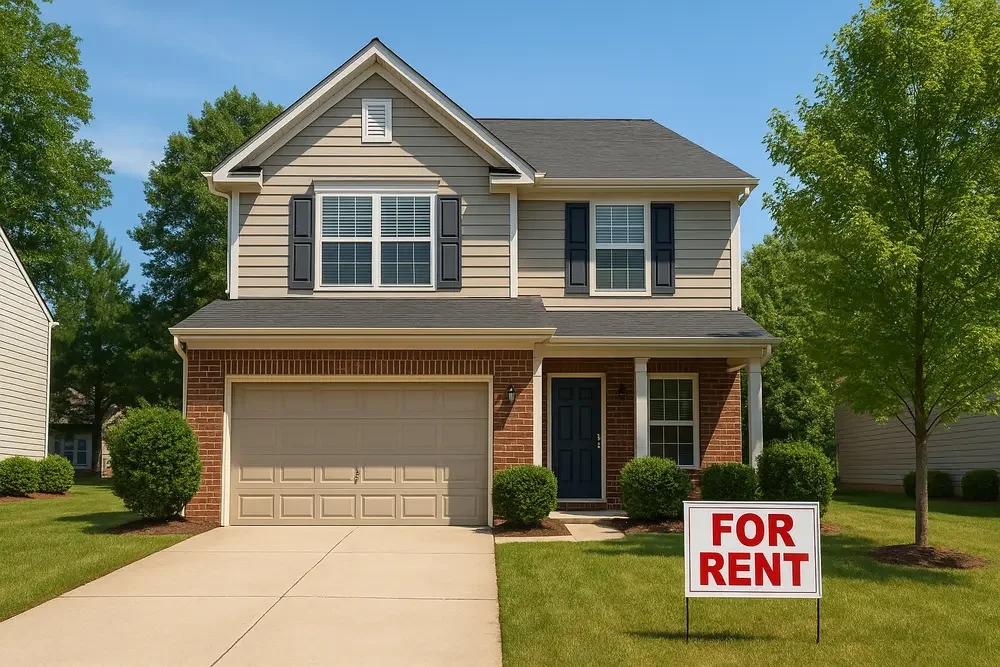
Buying a rental property can be a smart long-term move.
But in 2026, investors need to be more careful than ever.
Higher carrying costs, stricter financing, insurance increases, strata fees, maintenance, and changing rental rules all affect whether a property actually makes sense.
A property can look like a “good deal” online but still perform poorly once you factor in the real numbers.
As Gurveer Singh, Realtor® with Real Broker, I always remind investors:
You do not make money because a property is cheap. You make money because the numbers, location, and long-term demand make sense.
Whether you are buying in Abbotsford, Surrey, Langley, Mission, Chilliwack, or anywhere else in the Fraser Valley, here is how to analyze a rental property before you buy.
1. Start With the Purchase Price
The purchase price is the starting point, but it should never be the only factor.
Before deciding if a property is a good investment, compare it to:
- Recent comparable sales
- Active listings
- Days on market
- Condition
- Location
- Rental demand
- Future resale appeal
Sometimes a property is cheap for a reason.
It may have poor layout, high strata fees, deferred maintenance, road noise, building issues, or weak resale demand.
A good investment is not always the lowest-priced property.
It is the one with the best balance of price, risk, income, and long-term upside.
2. Estimate Realistic Rental Income
Rental income is one of the most important numbers in your analysis.
But investors often make the mistake of using overly optimistic rent estimates.
Before buying, research:
- Current rental listings
- Recently rented comparable units
- Property size
- Bedroom count
- Parking availability
- Laundry setup
- Pet policies
- Location convenience
- Condition and finishes
- Suite legality, if applicable
A renovated 2-bedroom condo near transit may rent differently than an older unit with no parking.
A legal basement suite may be easier to support with financing and insurance than an unauthorized suite.
Use realistic numbers, not best-case numbers.
3. Calculate the Mortgage Payment
Your mortgage payment will likely be the largest monthly expense.
This depends on:
- Purchase price
- Down payment
- Interest rate
- Amortization
- Mortgage type
- Lender approval
- Rental income treatment
In 2026, mortgage qualification matters a lot.
Do not assume rental income will be treated the way you expect. Different lenders may use different rental offset rules, especially for basement suites, condos, or investment properties.
Speak with a mortgage broker before writing offers.
4. Include Property Taxes
Property taxes directly affect your monthly carrying cost.
When analyzing a rental property, check the current property tax amount.
But also remember:
- Taxes may increase over time
- New construction may have incomplete tax history
- Assessed values may change
- Different municipalities have different tax levels
Investors should not rely only on today’s tax amount if the property is new, recently completed, or significantly under-assessed.
5. Include Strata Fees if Applicable
For condos and townhomes, strata fees can make or break the numbers.
Strata fees may cover:
- Building insurance
- Common area maintenance
- Landscaping
- Amenities
- Management
- Garbage
- Contingency reserve contributions
But higher strata fees reduce cash flow.
Before buying a strata investment, review:
- Current monthly strata fee
- Recent fee increases
- Budget
- Contingency reserve fund
- Depreciation report
- Insurance deductibles
- Special levies
- Rental bylaws
- Pet restrictions
- Maintenance history
A low strata fee is not always good if the building is underfunded.
A high strata fee is not always bad if it reflects proper maintenance.
The key is understanding what you are paying for.
6. Budget for Insurance
Insurance costs have become increasingly important for BC property owners.
Investors should confirm:
- Landlord insurance cost
- Strata deductible coverage
- Water damage coverage
- Sewer backup coverage
- Liability coverage
- Vacancy limitations
- Tenant-related coverage
- Suite-related coverage
If the property has a basement suite, disclose it properly to the insurer.
If the property is strata, confirm the building’s deductibles and make sure your personal policy can cover your exposure.
Do not remove subjects until insurance is confirmed.
7. Account for Repairs and Maintenance
Many investors underestimate repairs.
Even if the home looks good today, you should budget for ongoing maintenance.
Common expenses may include:
- Appliance replacement
- Plumbing repairs
- Furnace servicing
- Hot water tank replacement
- Roof repairs
- Flooring replacement
- Paint and turnover costs
- Drainage issues
- Electrical repairs
- General wear and tear
For detached homes, maintenance can be higher but you control more of the property.
For condos and townhomes, exterior maintenance may be shared, but strata fees and levies become part of the risk.
8. Factor in Vacancy
No rental property is occupied 100% of the time forever.
Even strong rentals may experience vacancy between tenants.
You should budget for:
- Time between tenants
- Cleaning
- Repairs
- Marketing
- Leasing delays
- Possible rent adjustments
A property that only works if it is rented every single day may be too tight.
Conservative numbers protect you.
9. Understand Cash Flow
Cash flow is what remains after rental income minus expenses.
Basic monthly expenses may include:
- Mortgage payment
- Property taxes
- Strata fees
- Insurance
- Maintenance reserve
- Utilities, if included
- Property management, if used
- Vacancy allowance
Positive cash flow is ideal, but not always easy in BC.
Some investors accept neutral or slightly negative cash flow if the long-term appreciation, location, and mortgage paydown make sense.
But this should be intentional.
You should know exactly how much you may need to carry each month.
10. Look at Long-Term Appreciation Potential
Cash flow matters, but appreciation also matters.
Strong long-term rental properties usually have:
- Good location
- Strong population growth
- Access to jobs
- Transit or commuter convenience
- Schools and amenities nearby
- Functional layout
- Strong resale demand
- Limited major defects
- Future buyer appeal
In the Fraser Valley, many investors look at markets where affordability and population growth continue to support demand.
But appreciation is never guaranteed.
Buy for fundamentals, not hype.
11. Review Tenant Rules and Rental Restrictions
If the property is strata, review rental bylaws carefully.
Even though rental restrictions have changed in BC in recent years, some restrictions may still apply in specific situations, including short-term rentals, age-restricted buildings, or other lawful strata rules.
Before buying, confirm:
- Long-term rentals are allowed
- Short-term rentals are restricted or prohibited
- Move-in fees
- Pet restrictions
- Occupancy limits
- Bylaw enforcement history
Do not assume you can rent the property exactly how you want.
12. Consider Property Management
If you do not want to manage the rental yourself, property management should be included in the numbers.
Property managers may help with:
- Tenant placement
- Rent collection
- Maintenance coordination
- Inspections
- Notices
- Lease documentation
- Problem resolution
But they cost money.
If you are buying purely for investment, include management fees even if you plan to self-manage at first.
That gives you a more realistic picture.
13. Think About Exit Strategy
Before buying, think about how you may eventually exit.
Ask:
- Could I sell this easily later?
- Would owner-occupiers want this property?
- Would investors want it?
- Is the layout broadly appealing?
- Is the building well managed?
- Is the neighborhood improving?
- Could I refinance in the future?
- Could I move into it if needed?
A good rental should have more than one exit strategy.
The best investment properties are flexible.
14. Avoid Overestimating Suite Income
Homes with basement suites can be excellent investments.
But be careful.
Before relying on suite income, confirm:
- Whether the suite is legal or unauthorized
- Market rent
- Tenant status
- Lease details
- Insurance coverage
- Parking
- Laundry setup
- Utility split
- Municipal requirements
- Lender treatment of rental income
A suite can help with affordability, but it does not automatically make the property a good investment.
The numbers still need to work.
15. Use a Simple Rental Property Formula
Before buying, investors should calculate:
Monthly Rental Income
Minus:
- Mortgage payment
- Property taxes
- Strata fees
- Insurance
- Maintenance reserve
- Vacancy allowance
- Utilities, if applicable
- Property management, if applicable
Equals:
Estimated Monthly Cash Flow
Then ask:
Would I still be comfortable owning this property if rent is lower, repairs are higher, or rates change?
If the answer is no, the deal may be too risky.
Example: What to Watch For
A rental property may look good because it has strong rent potential.
But after reviewing the numbers, you may find:
- Strata fee is high
- Insurance deductible is large
- Building has upcoming repairs
- Property taxes are higher than expected
- Rent estimate was too aggressive
- Layout has limited resale appeal
- Cash flow is negative by more than expected
This does not automatically mean “do not buy.”
It means you need to understand the risk before deciding.
Common Investor Mistakes
Avoid these mistakes:
- Using unrealistic rent estimates
- Forgetting repairs and vacancy
- Ignoring strata documents
- Not confirming insurance
- Assuming rental income will qualify fully
- Buying only because the price looks low
- Ignoring resale value
- Overleveraging
- Not checking suite legality
- Forgetting closing costs
- Relying only on appreciation
- Not having an exit strategy
Good investing is not about excitement.
It is about discipline.
Planning to Buy an Investment Property?
Start with the full buying roadmap:
Buyer’s Guide:
https://gurveersingh.ca/buyers/
Analyze the numbers here:
Investment Property Analyzer:
https://gurveersingh.ca/buyers/investment-property-analyzer/
Estimate closing costs here:
BC First-Time Buyer Closing Cost Calculator:
https://gurveersingh.ca/buyers/bc-first-time-buyer-closing-cost-calculator/
Need Help Evaluating a Rental Property?
If you are considering a rental property in Abbotsford, Surrey, Langley, Mission, Chilliwack, or anywhere in the Fraser Valley, the numbers matter.
You can book a consultation with Gurveer Singh here:
https://calendly.com/gurveer-gurveersingh/contact
Final Thoughts
A rental property can be a powerful wealth-building tool.
But not every property is a good investment.
In 2026, successful investors need to look beyond the listing photos and ask better questions.
What is the real rent?
What are the real expenses?
What are the risks?
What happens if the market slows?
What happens if rates change?
The best rental properties are not just affordable to buy.
They are sustainable to own.
Disclosure
Gurveer Singh is an independently licensed Realtor® with Real Broker.
This content is for informational purposes only and not intended to solicit clients already under contract. Information is deemed reliable but not guaranteed. This is not intended to breach any existing agency relationship.